Governed short-form video production

From one-line idea topublish-ready Short.

One supervised production path inside your AI agent host, with cost and safety boundaries intact.

02 The problem

Generatorsproduceclips.

Viraproducesafinishedvideo,throughoneaccountablepath.

Guidedbydefault.Autonomouswhenyouchoose.

Brief, plan, create, review, finish, package: every stage visible, every gate explicit, every decision recorded with the project.

Six stages. One accountable final.

Work alongside Vira with every review surface open.

Stage 01: Brief

Outcome, audience, format, style, constraints, and spend boundary.

Companion gate · Complete intake

Different involvement. Shared boundaries.

Choose how much of the production Vira carries. Both modes keep complete intake, provider-cost confirmation, safety and rights constraints, and final Video review.

Guided default

Companion

Work alongside Vira with every review surface open.

Review path
Script + Scene, Image, and final Video review.
Iteration boundary
Up to two objective-defect rerenders before Video review.
Complete intakeProvider-cost confirmationSafety, rights, and identity constraints

Explicit opt-in

Automatic

Let Vira carry more inside your brief, budget, and boundaries.

Review path
Intermediate reviewers stay closed; final Video review always opens.
Iteration boundary
Up to three total technical and creative refinement rounds.
Complete intakeProvider-cost confirmation and spend ceilingSafety, rights, identity, audience, and factual constraints

Five formats. Four style families.

Format decides how scenes are made. Style is one whole-video contract: every family below carries its own substyles across imagery, footage, type, captions, graphics, motion, and audio.

Cartoon

Drawn worlds, from flat 2D through rounded 3D to anime key art.

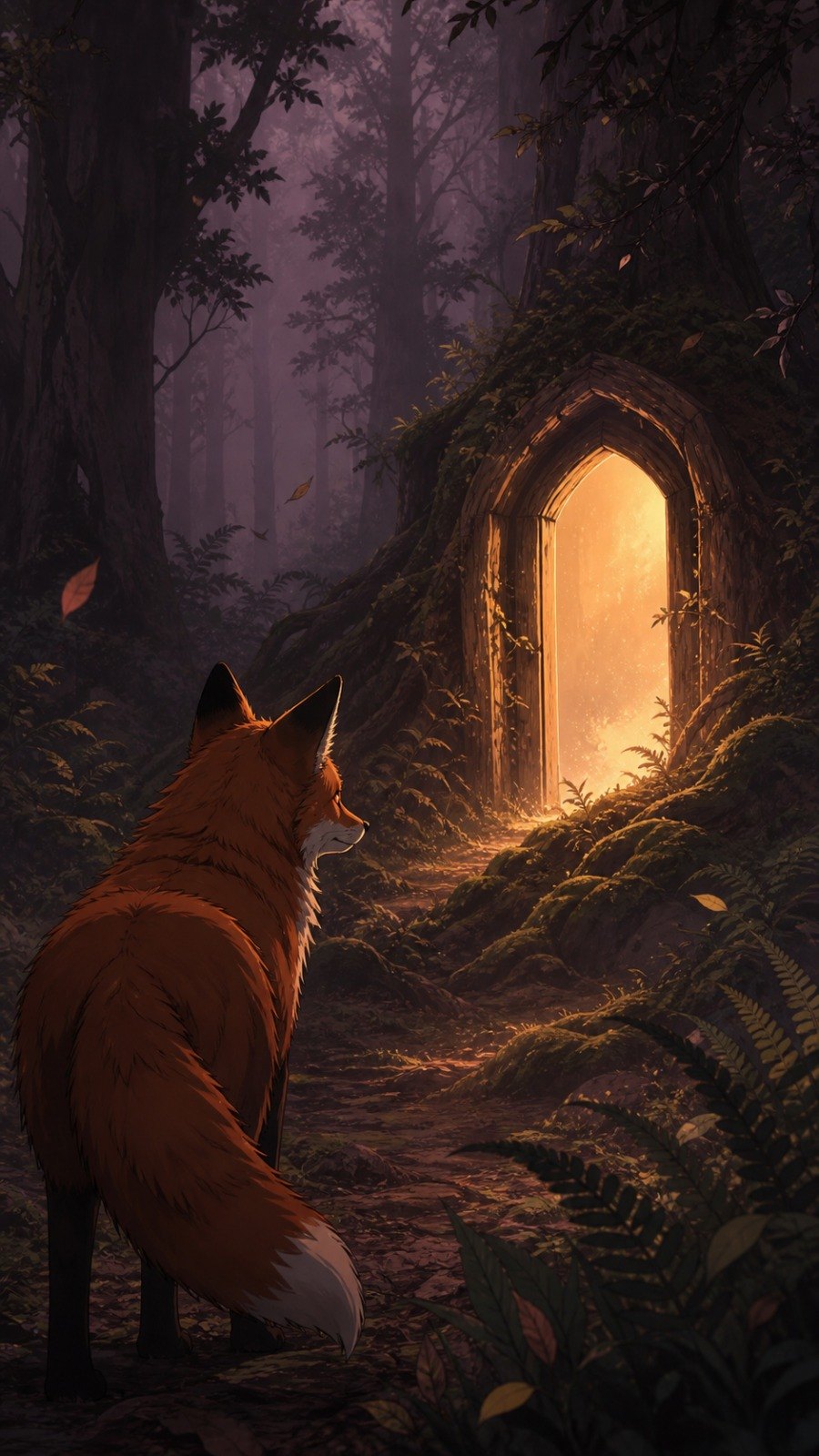
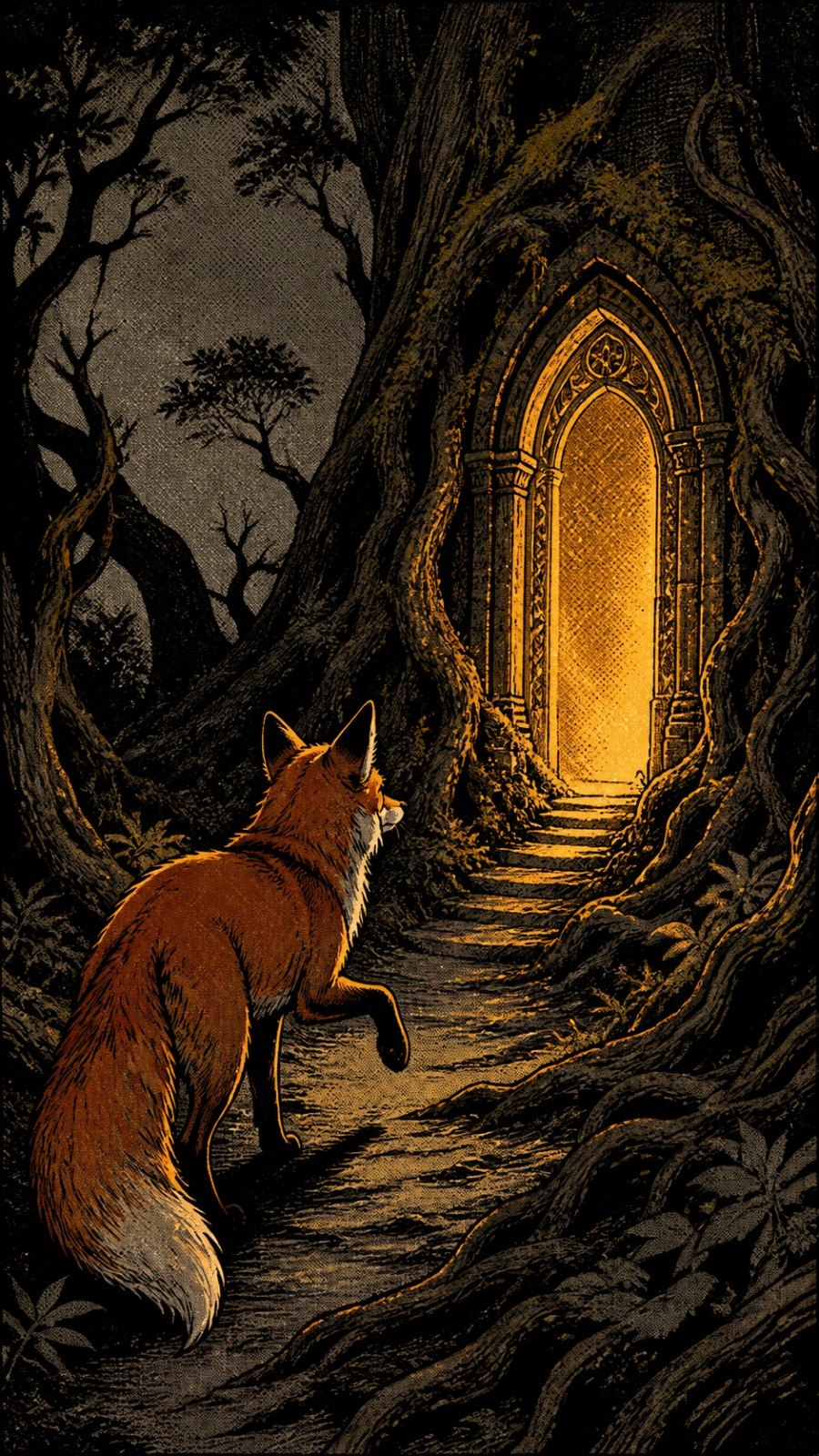
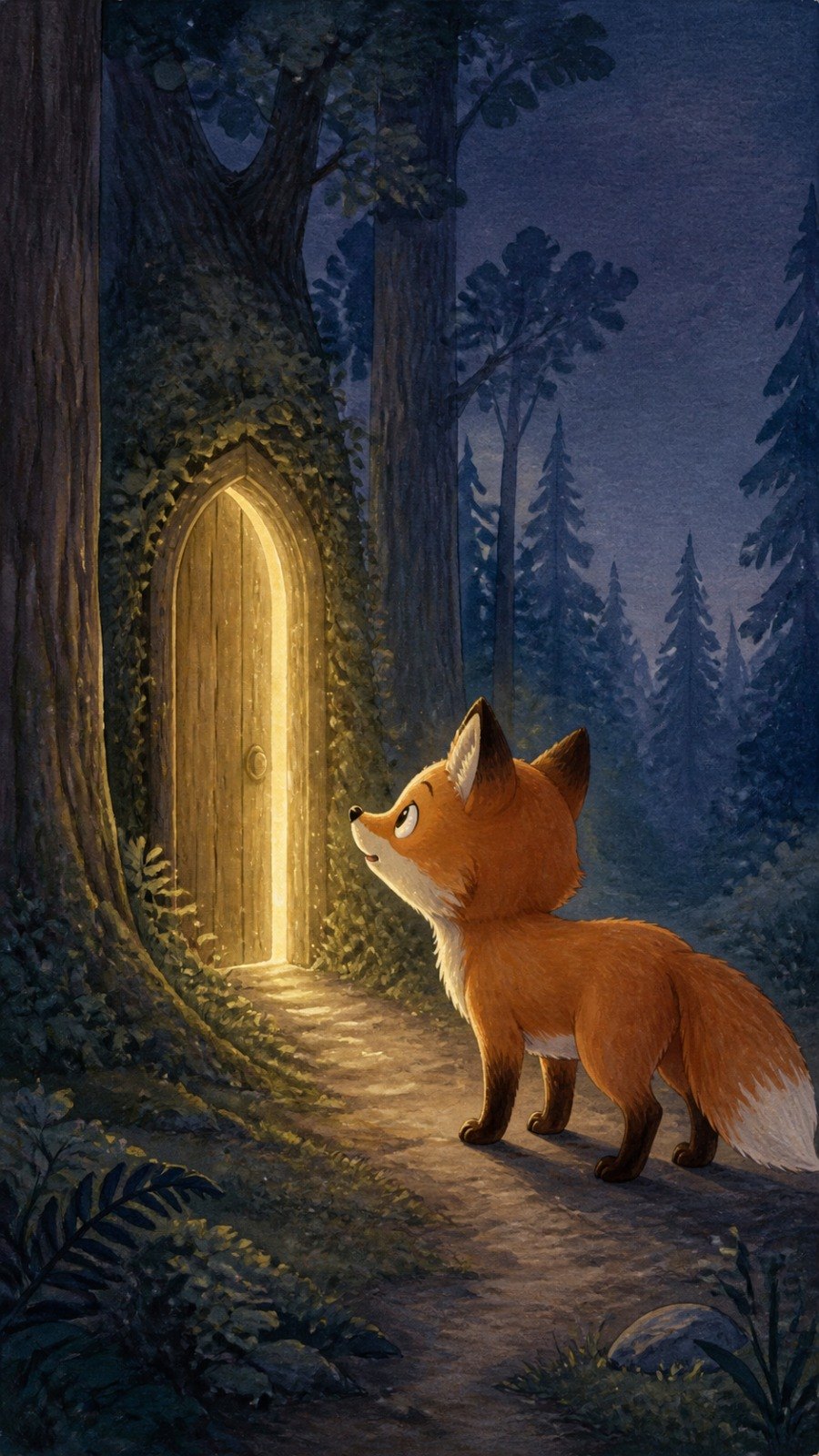
Fox and Door scene in 2D Cartoon style.
2D CartoonFlat characters, bold outlines, clean colour.
Fox and Door scene in 3D Cartoon style.
3D CartoonRounded renders with soft studio light.
Fox and Door scene in Anime style.
AnimeKey-art panels with speed lines and drama.
Designed graphics DGIllustrated stills ISGenerated footage GFAI presenter APReal presenter RP

Visual style

The design language: palette, type, and material world.

Editing style

Cut, transition, and pacing grammar across the video.

Visual source

How imagery and footage are obtained per scene.

Across six surfaces: Imagery · Presenter footage · Type and captions · Graphics inserts · Edit motion · Audio design.

Feedback lands where the problem does.

Notes attach to the exact image, the exact timestamp, or the exact frame, and the encoded render is checked before anything is called final.

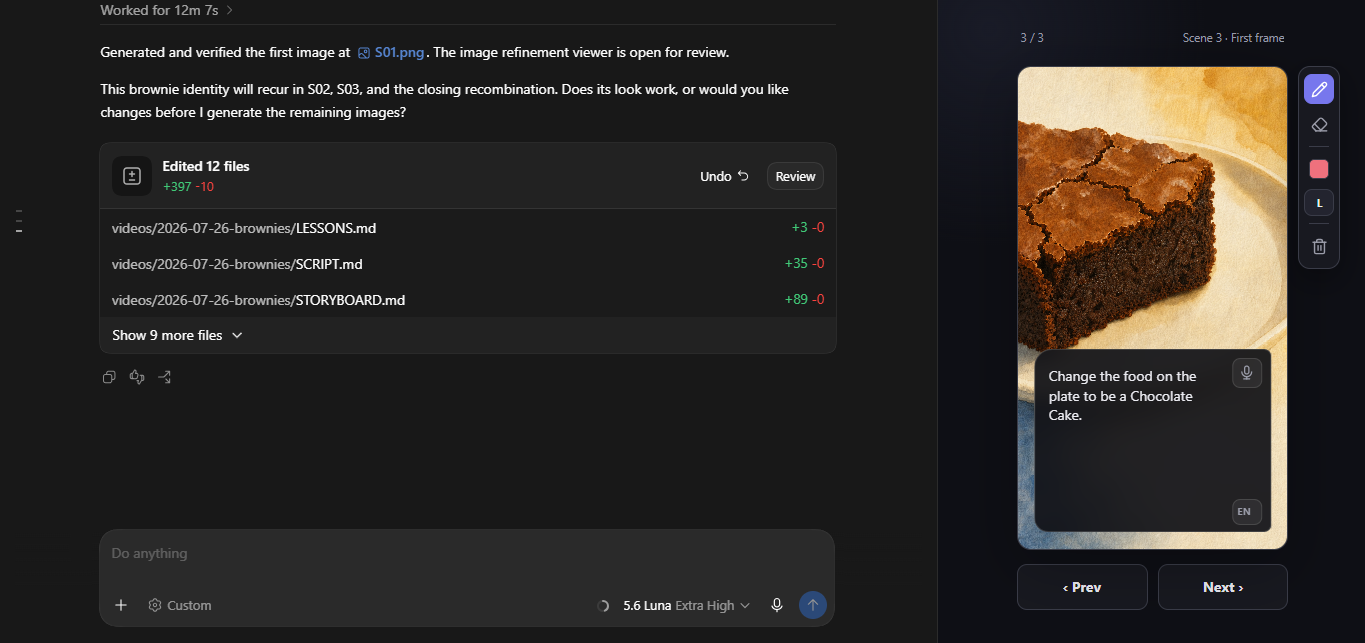
Vira image review viewer: a generated frame open for review with a revision prompt and the review notes alongside.

Image review

Draw notes onto a frame, attach a reference to the exact asset, and keep retry or approve state.

  • Notes pinned to the asset
  • Annotations drawn on the image
  • Retry or approve stays recorded
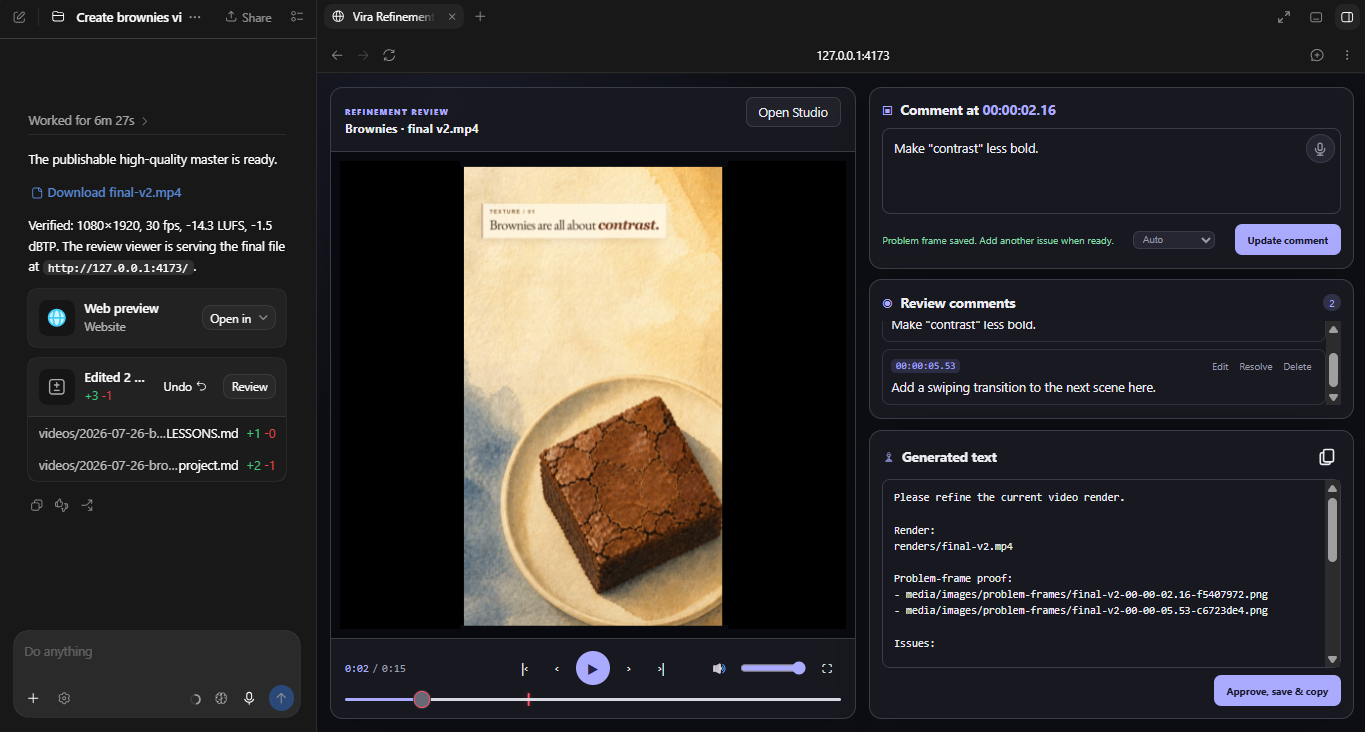
Vira video review viewer: the encoded render playing with timestamped comments and a saved problem frame.

Video review

Play the encoded render, step frame by frame, and keep timestamped comments with the exact problem frame.

  • Comments anchored to a timestamp
  • Problem frame kept as evidence
  • Feedback lives with the project

Quality control runs against the encoded render

  • Technical delivery
  • Story and hook
  • Captions
  • Visual assets
  • Audio sync

The final is a package, not a loose export.

Media stays version-matched to the decisions and evidence that produced it.

  • final_v4.mp41080×1920, 30 fps vertical MP4
  • thumbnail_v4.png1080×1920 portrait PNG thumbnail, version-matched
  • publish.mdTitle, description, tags, and hashtags
  • project recordsConcept, script, prompts, style contract, review notes, QC evidence

Questions, answered plainly.